


Email Address

contact@helplinegroups.com

Request Call Back

+971505915724

Monday - Friday

9AM - 6PM

Helpline Group

Dubai,Abu Dhabi

+971505915724

contact@helplinegroups.com

Monday - Friday

9AM - 6PM

Helpline Group

Dubai, Abu Dhabi

Trademark Registration

Trademark registration is the process of legally protecting a brand name, logo, slogan, or other identifiers associated with goods or services. Registering a trademark provides exclusive rights to use the mark and helps prevent others from using similar marks that may cause confusion. Here’s a detailed overview of the requirements and steps involved in trademark registration:

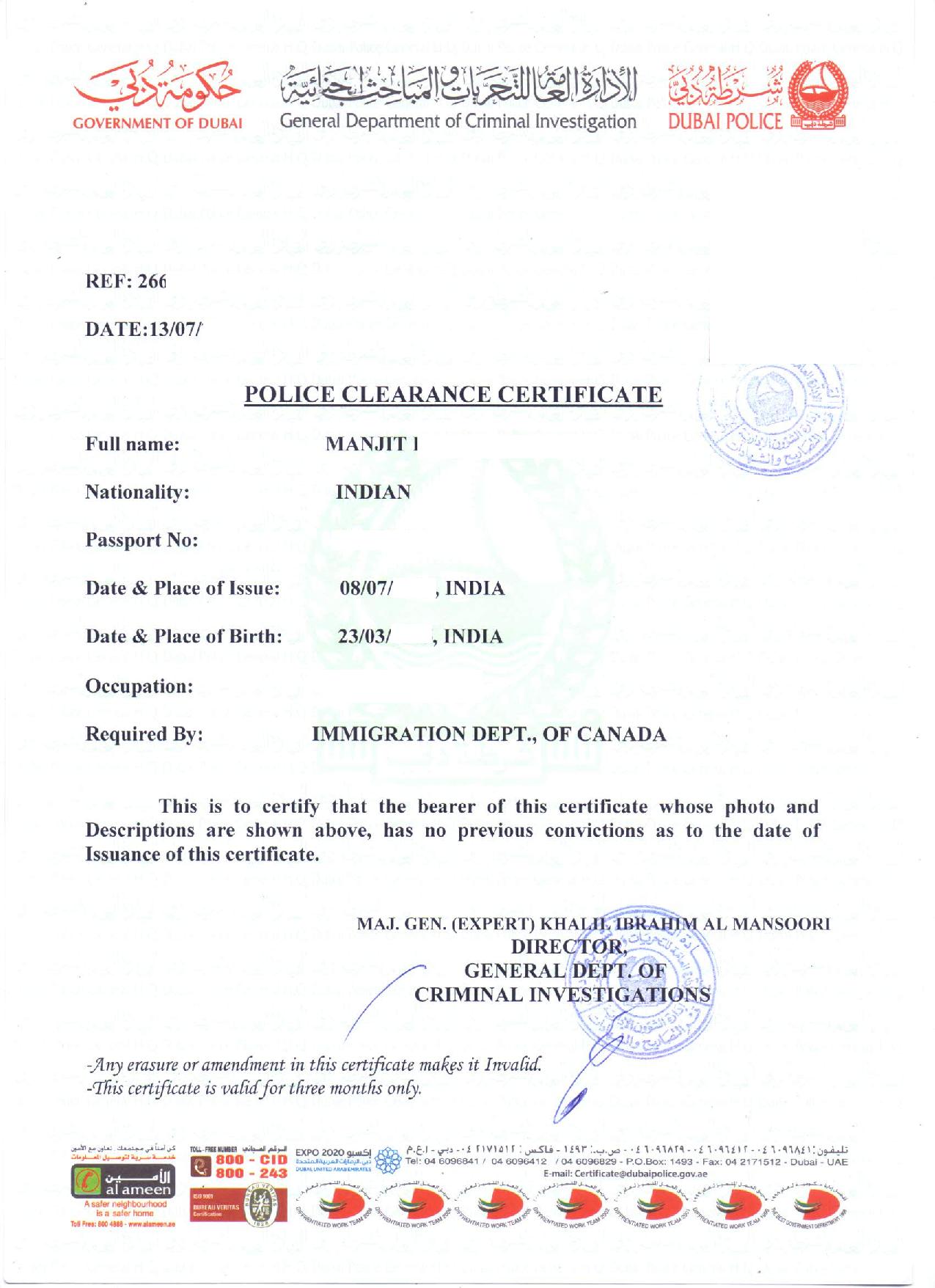
Overview of Police Clearance Certificate (PCC) in the UAE

A Police Clearance Certificate in the UAE serves as official proof that an individual has no criminal record during their stay in the country. It is often required for job applications, residency visa processes, and other legal requirements.

Eligibility

Expatriates:

Individuals who have lived or worked in the UAE.

UAE Nationals:

Citizens can also apply for a PCC.

General Requirements for Trademark Registration

1. Eligibility:

The trademark must be distinctive and capable of identifying the source of the goods or services. It should not be generic or descriptive of the products/services.

2. Conduct a Trademark Search:

Before filing, conduct a thorough search to ensure that the trademark is not already in use or registered by another entity. This can help avoid potential conflicts and rejections.

3. Identify the Goods or Services:

Clearly specify the goods or services that the trademark will represent. This typically involves selecting an appropriate class from the international classification system (Nice Classification) that categorizes different types of goods and services.

4. Prepare the Application:

Complete the trademark application form, which usually requires:

  • Owner’s name and address.
  • Description of the trademark (word, logo, or design).
  • Identification of the goods or services associated with the trademark.
  • Date of first use (if applicable).

5. Include a Specimen:

Submit a specimen showing the trademark as used in commerce. This could be a label, packaging, advertisement, or any other material that demonstrates how the trademark is used in relation to the goods or services.

6. Filing Fee:

Pay the required filing fee, which varies based on the jurisdiction and the number of classes included in the application.

7. Submit the Application:

File the completed application with the relevant trademark office, such as:

  • United States Patent and Trademark Office (USPTO) in the U.S.
  • European Union Intellectual Property Office (EUIPO) in the EU.
  • National trademark offices in other countries.

Additional Considerations

Examination Process:

After submission, the trademark office will review the application for compliance with legal requirements. This may involve examining for conflicts with existing trademarks and assessing distinctiveness.

Opposition Period:

Once approved, the trademark is typically published for opposition, allowing third parties to contest the registration if they believe it conflicts with their existing rights.

Registration Certificate:

If no oppositions arise or any oppositions are resolved in favor of the applicant, the trademark office will issue a registration certificate.

Duration of Registration:

Trademark registrations typically last for 10 years, with the possibility of renewal for additional 10-year periods, as long as the trademark is still in use.

Use Requirement:

Many jurisdictions require that the trademark be actively used in commerce to maintain registration. Non-use for a specified period can lead to cancellation.

International Protection:

For international trademark protection, consider filing under the Madrid Protocol, which allows for the registration of trademarks in multiple countries through a single application.

Conclusion

Trademark registration is a vital step in protecting your brand and ensuring exclusive rights to its use. Understanding the specific requirements and processes in your jurisdiction is crucial for a successful registration. Consulting with a trademark attorney or professional can provide valuable guidance and help navigate any complexities in the registration process.

Notarization

The document may first need to be notarized by a notary public in the country of issuance.

Foreign Affairs Ministry

Following notarization, it is usually required to get the document attested by the Ministry of Foreign Affairs (or equivalent) in the same country.

UAE Embassy/Consulate

The document then needs to be attested by the UAE Embassy or Consulate in the country of issuance.

MOFA Attestation

Ministry of Foreign Affairs (MOFA)

Once in the UAE, the document must be attested by MOFA to ensure it is recognized within the UAE.

UAE Attestation
Ministry of Foreign Affairs (MOFA)

Once in the UAE, the document must be attested by MOFA to ensure it is recognized within the UAE.

Educational Documents

Commercial Documents

  • Memorandum of Association
  • Article of Association
  • Certificate of Incumbency
  • Power of Attorney (POA)
  • Commercial Invoices Attestation
  • Certificate of Incorporation
  • Certificate of Good Standing
  • Board Resolution Attestation

Why Choose Us?

25 Years of Experience

A solid reputation based on dependability and excellence.

Global Reach

Services provided across numerous nations.

Professional Advice

A committed group of experts assisting you at every step.

Tailored Solutions

Services specifically designed to satisfy your company formation and document attestation needs.

Scroll to Top