


ICV Registration
ICV (In-Country Value) registration is a process designed to promote local content and economic development within a country, particularly in sectors like oil and gas, construction, and manufacturing. ICV initiatives require companies to demonstrate their commitment to creating local value through the use of local resources, labor, and suppliers. Here’s an overview of the requirements and steps typically involved in ICV registration:
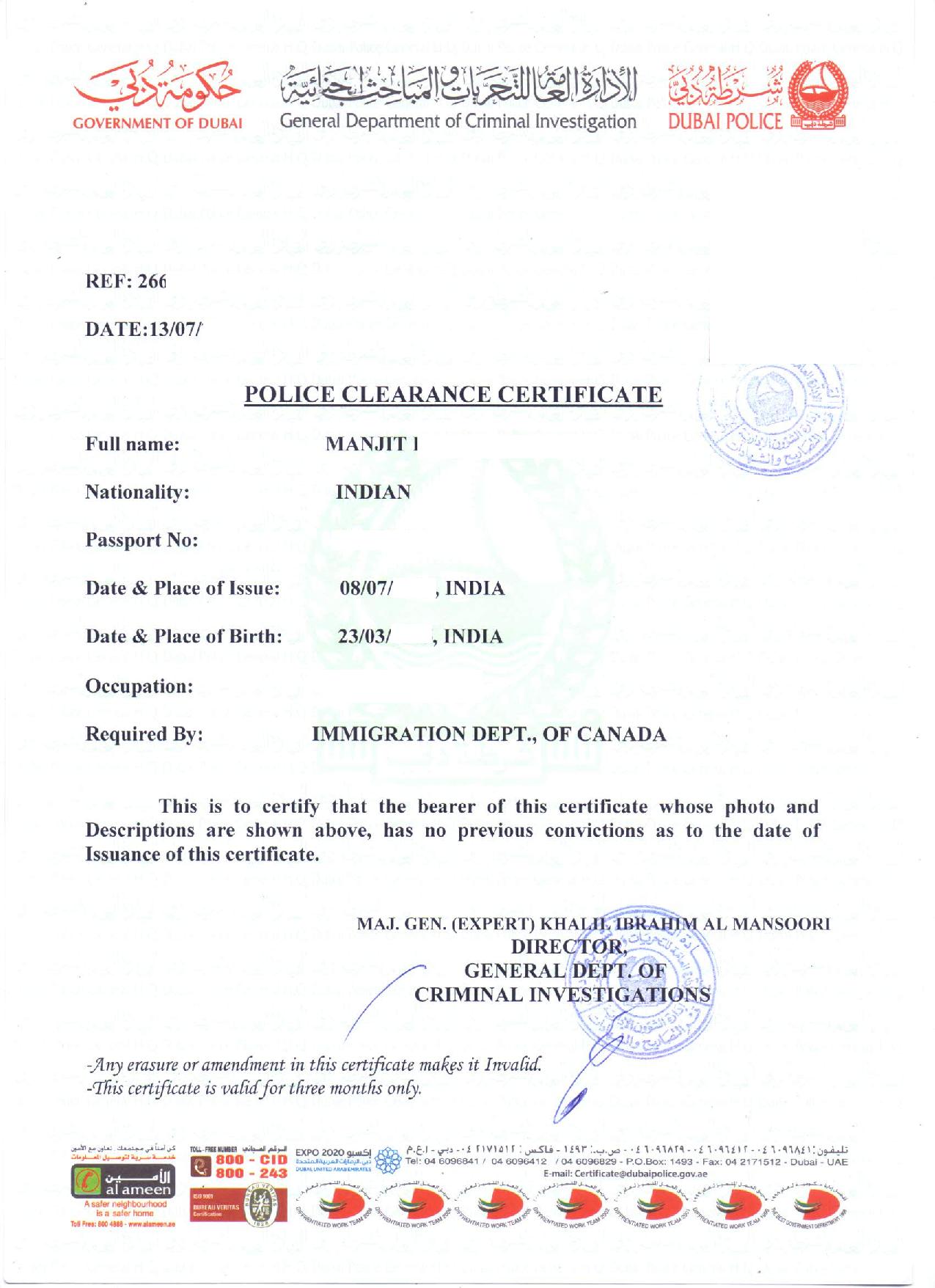
Overview of Police Clearance Certificate (PCC) in the UAE
A Police Clearance Certificate in the UAE serves as official proof that an individual has no criminal record during their stay in the country. It is often required for job applications, residency visa processes, and other legal requirements.
Eligibility
Expatriates:
Individuals who have lived or worked in the UAE.
UAE Nationals:
Citizens can also apply for a PCC.
General Requirements for ICV Registration
1. Eligibility Criteria:
Determine whether your organization is eligible for ICV registration. Eligibility may depend on factors such as the industry sector, project type, or specific government regulations.
2. Document Preparation:
Gather the necessary documentation to support your ICV claim. This may include:
- Business registration and licenses.
- Financial statements (typically for the last 1-3 years).
- Information on local suppliers and subcontractors.
- Employment records demonstrating local hiring practices.
- Evidence of investments in local infrastructure or community projects.
3. Local Content Strategy:
Develop a clear local content strategy that outlines how your organization plans to contribute to local economic development. This may involve:
- Increasing local procurement.
- Investing in local workforce training and development.
- Collaborating with local businesses and communities.
4. ICV Calculation:
Calculate your organization’s ICV score based on the established methodology by the relevant authority. This score often reflects the percentage of local value added through goods, services, and labor.
5. Submission of Application:
- Complete the ICV registration application form, which typically requires information about your organization, the scope of work, and your ICV strategy.
- Submit the application along with the required documentation to the relevant government authority or regulatory body overseeing ICV initiatives.
6. Review and Assessment:
The relevant authority will review the submitted application and supporting documents. They may request additional information or clarification if necessary.
7. Issuance of ICV Certificate:
If the application meets the requirements, the authority will issue an ICV certificate, indicating the level of local content and commitment to fostering economic development.
8. Compliance and Reporting:
After registration, organizations are often required to comply with ongoing reporting and monitoring requirements to demonstrate continued adherence to local content initiatives.
Additional Considerations
- Sector-Specific Regulations:
ICV requirements and processes can vary significantly by sector and country, so it is crucial to familiarize yourself with the specific regulations applicable to your industry.
- Updates and Renewals:
Be aware of any renewal processes or updates that may be required to maintain your ICV registration over time.
- Benefits of ICV Registration:
Engaging in ICV initiatives can enhance your organization’s reputation, provide access to government contracts, and foster positive relationships with local communities and stakeholders.
- Consultation and Support:
Consider consulting with local experts or legal advisors familiar with ICV requirements and processes to ensure compliance and maximize local content contributions.
Conclusion
ICV registration is a valuable process for organizations looking to demonstrate their commitment to local economic development and compliance with government regulations. Understanding the specific requirements and steps involved in obtaining ICV certification is essential for successful registration. Engaging with relevant authorities and stakeholders can also provide insights into best practices for promoting local content.

Notarization
The document may first need to be notarized by a notary public in the country of issuance.

Foreign Affairs Ministry
Following notarization, it is usually required to get the document attested by the Ministry of Foreign Affairs (or equivalent) in the same country.

UAE Embassy/Consulate
The document then needs to be attested by the UAE Embassy or Consulate in the country of issuance.

Ministry of Foreign Affairs (MOFA)
Once in the UAE, the document must be attested by MOFA to ensure it is recognized within the UAE.

UAE Attestation
Ministry of Foreign Affairs (MOFA)
Once in the UAE, the document must be attested by MOFA to ensure it is recognized within the UAE.
Educational Documents
- Degree Certificate
- Diploma Certificate
- Bachelor Degree
- Master Degree
- Associate Degree
- Engineering Certificate
- Nursing Certificate
- Transcript Attestation
Personal Documents
Commercial Documents
- Memorandum of Association
- Article of Association
- Certificate of Incumbency
- Power of Attorney (POA)
- Commercial Invoices Attestation
- Certificate of Incorporation
- Certificate of Good Standing
- Board Resolution Attestation
Notarization Services
- Online POA
- Signature verification
- True Copy Attestation
- Embassy Attestation
- Mofa Attestation
- Company Documents
- MOJ Attestation
- Legal Translation
Why Choose Us?

25 Years of Experience
A solid reputation based on dependability and excellence.

Global Reach
Services provided across numerous nations.

Professional Advice
A committed group of experts assisting you at every step.

Tailored Solutions
Services specifically designed to satisfy your company formation and document attestation needs.